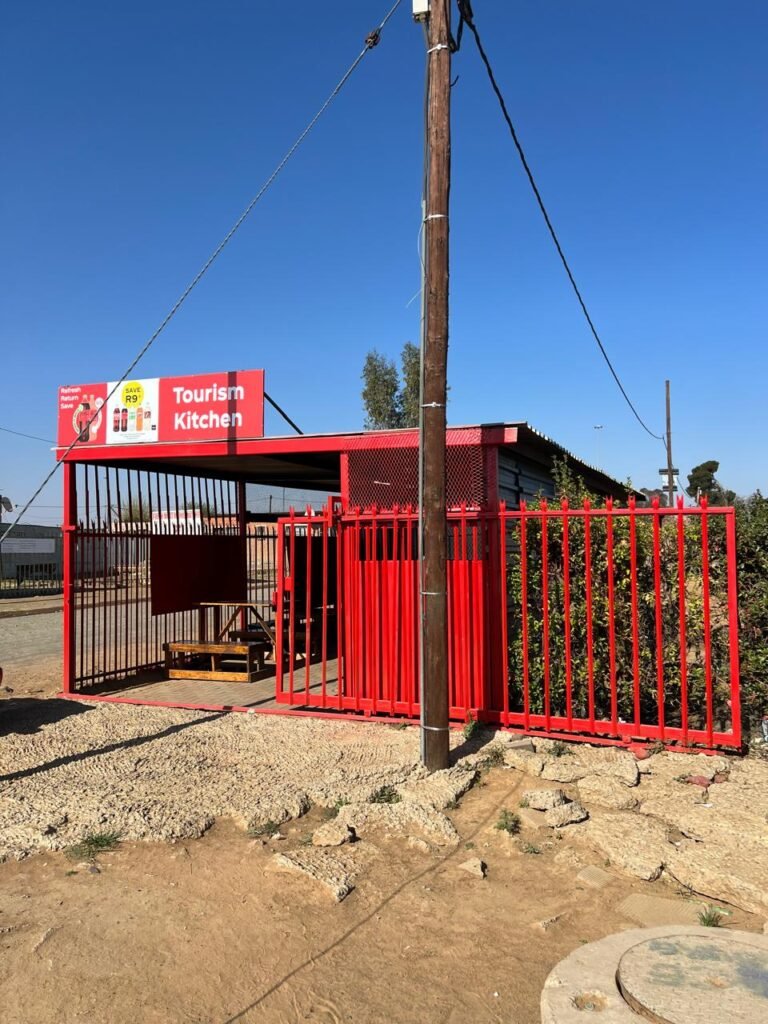
Working with 34 Businesses in Bloemfontein

Delivering Tailored Solutions Across 3 Phases

At Rakutu Trading and Projects, we believe that every business deserves a functional, modern, and efficient workspace. Our recent work in Bloemfontein stands as a prime example of our versatility, ability to meet tight deadlines, and unwavering commitment to success.

Through a three-phase approach, we worked closely with 34 businesses, ensuring that each project met their specific operational needs. From renovations and structural upgrades to mobile kitchens and container solutions, we delivered high-quality infrastructure to help these businesses thrive and grow.

Our Work in Bloemfontein

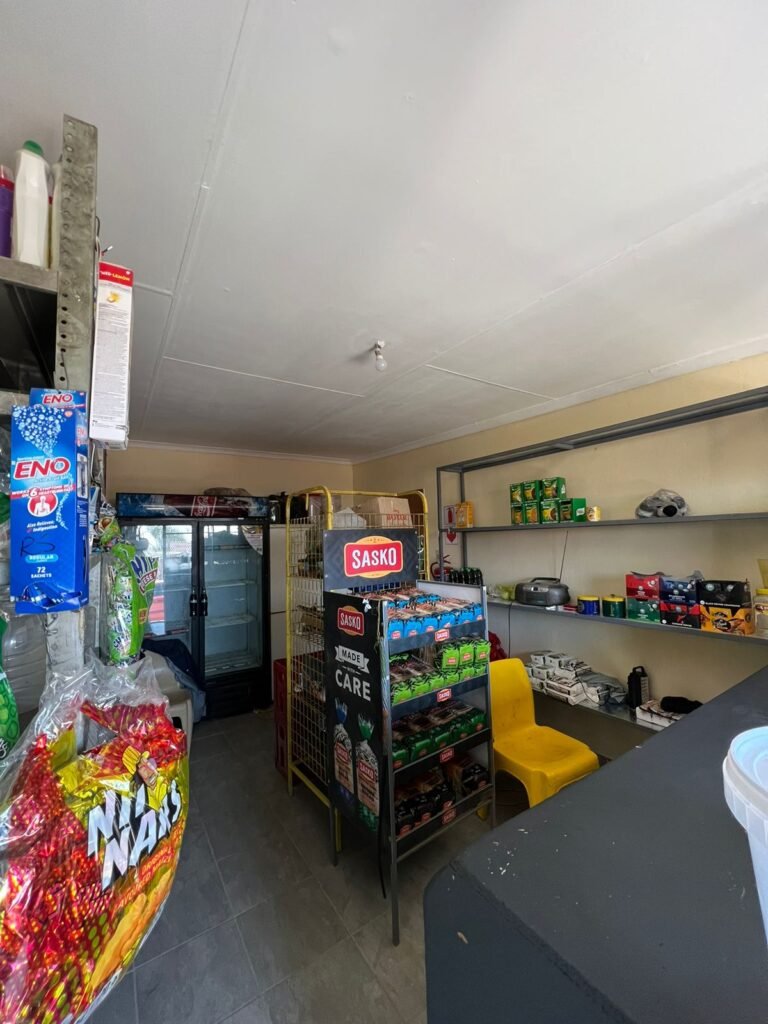
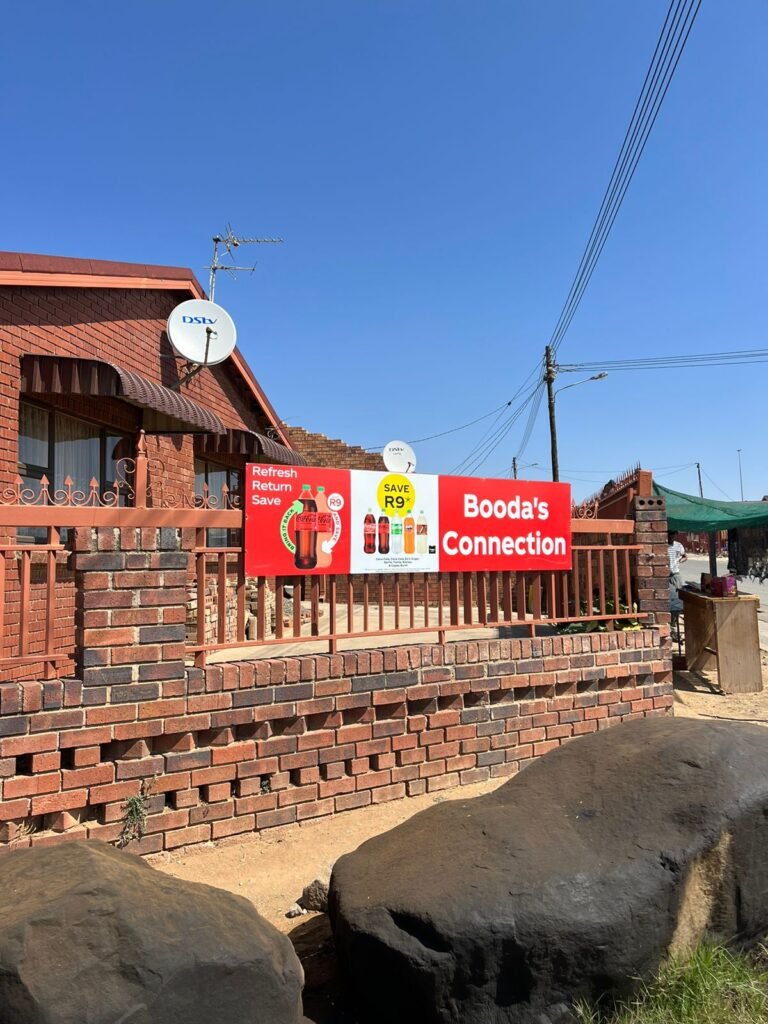
20 Business Renovations – Upgrading business interiors and exteriors to enhance functionality and appeal.
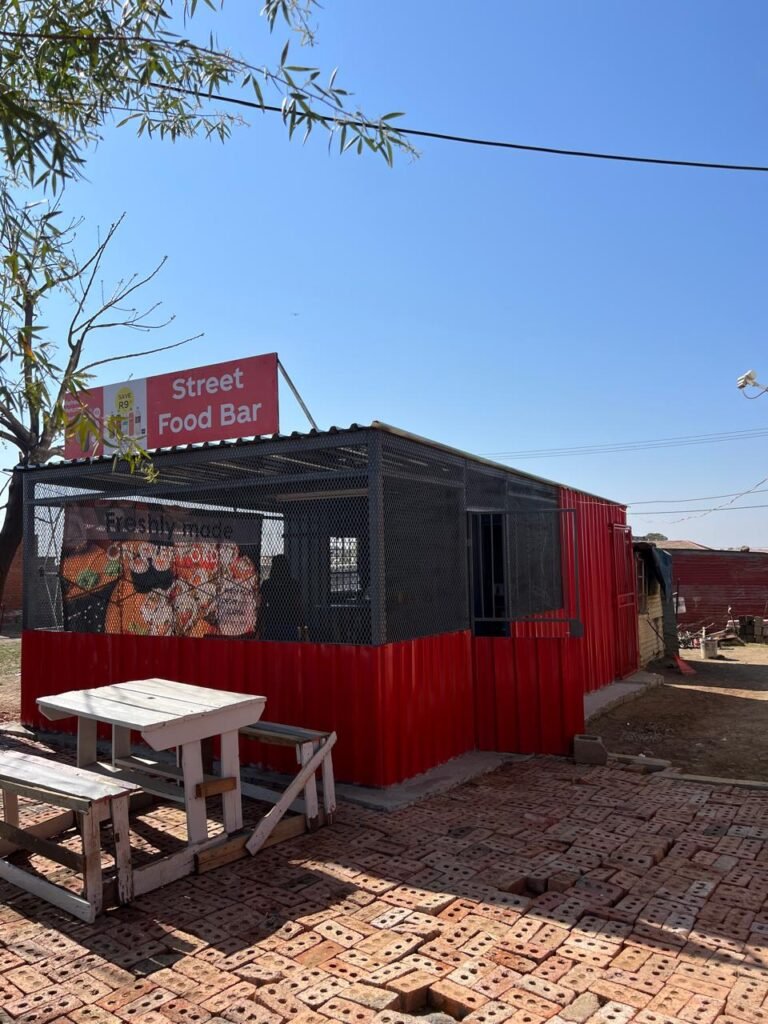
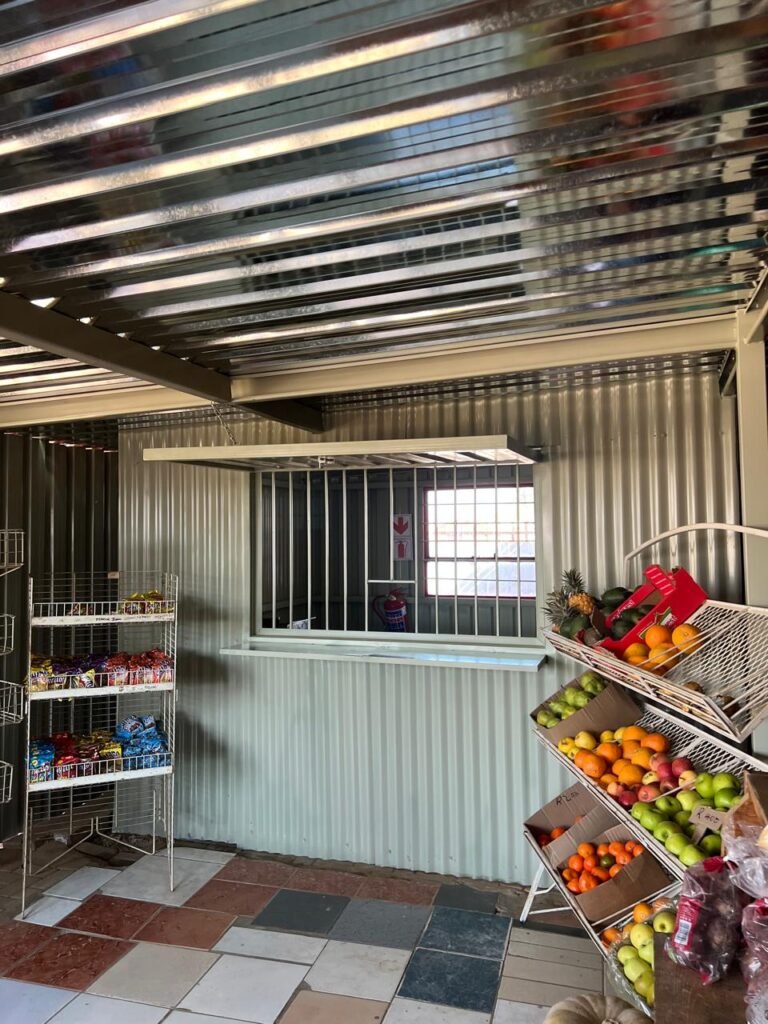
3 Container Conversions – Transforming shipping containers into fully operational business spaces.
3 Steel Structures Built – Providing businesses with durable, long-lasting infrastructure.
8 Mobile Kitchens & Equipment Delivered – Empowering entrepreneurs with mobile food units tailored to their needs.

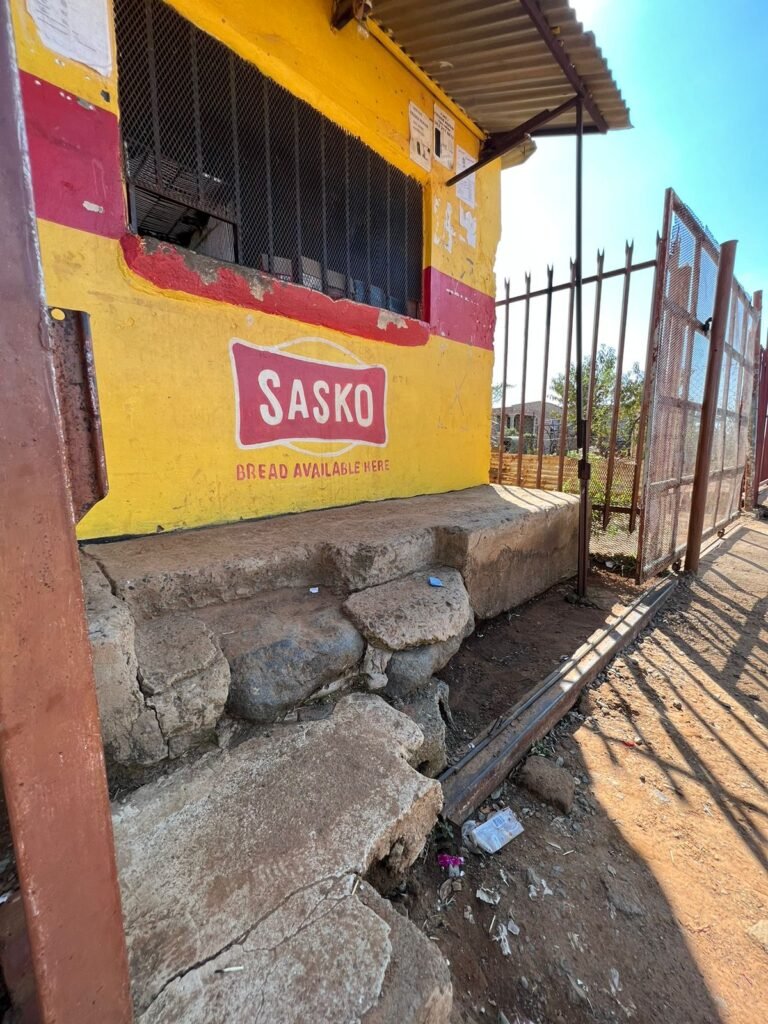
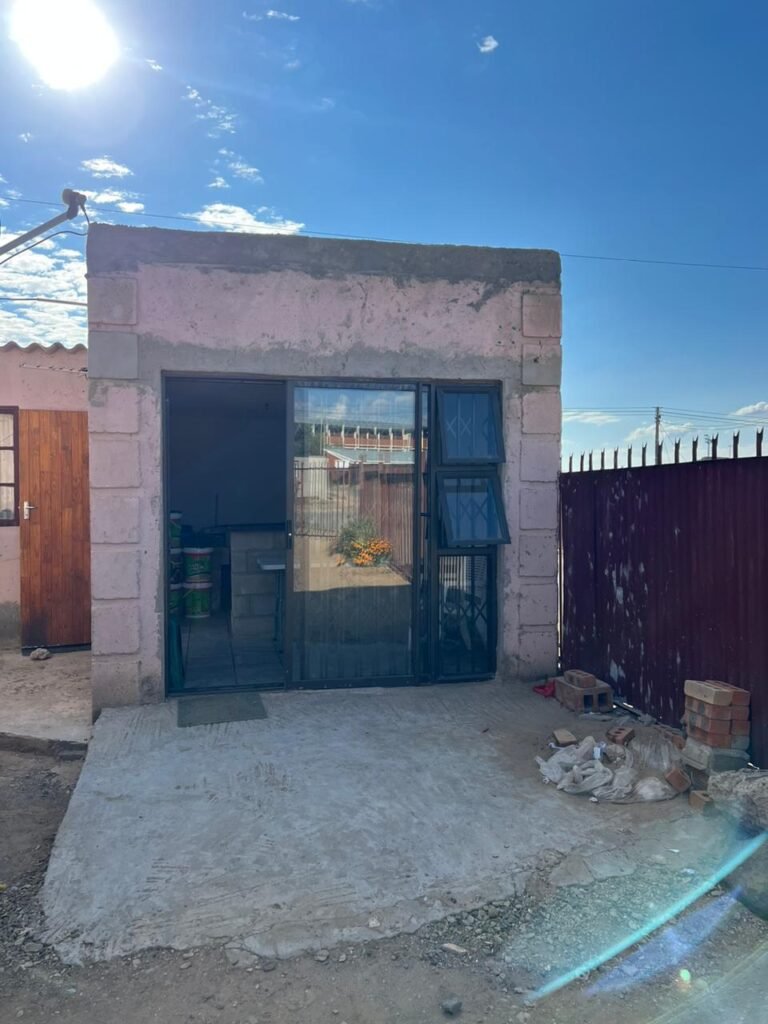
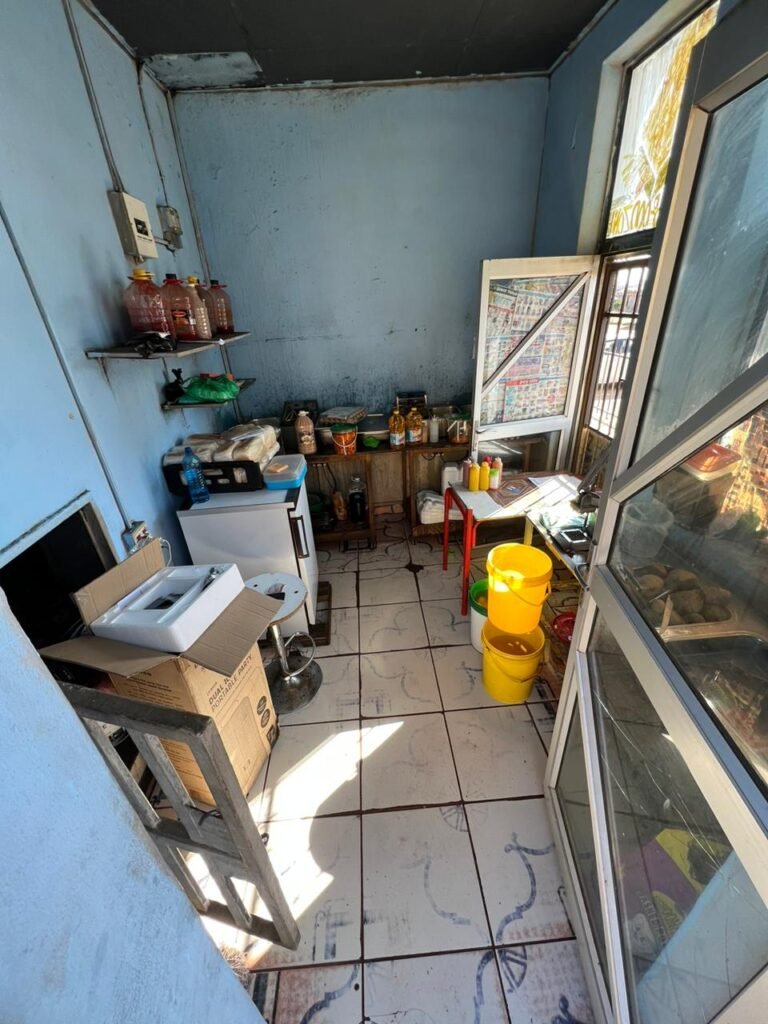
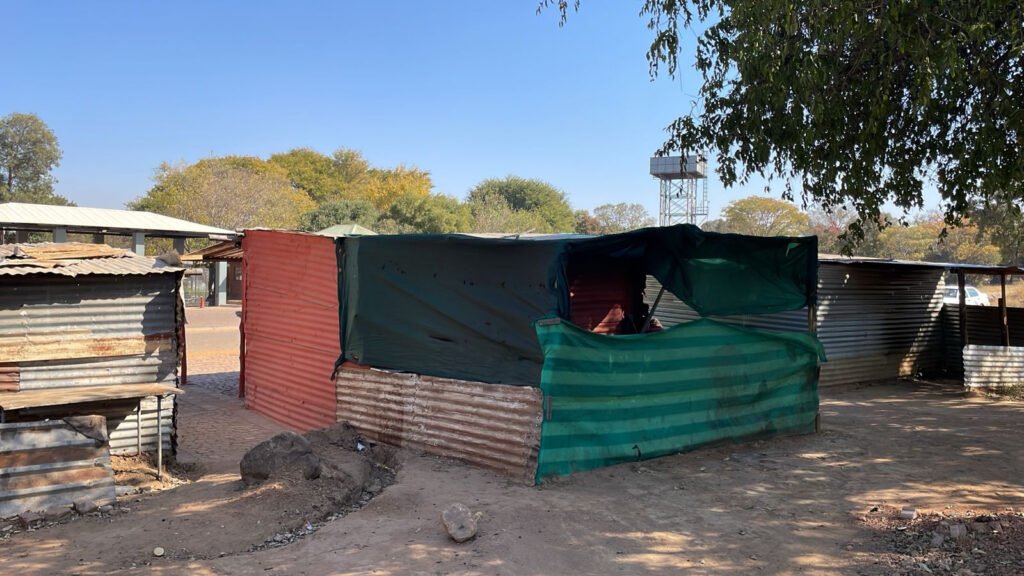
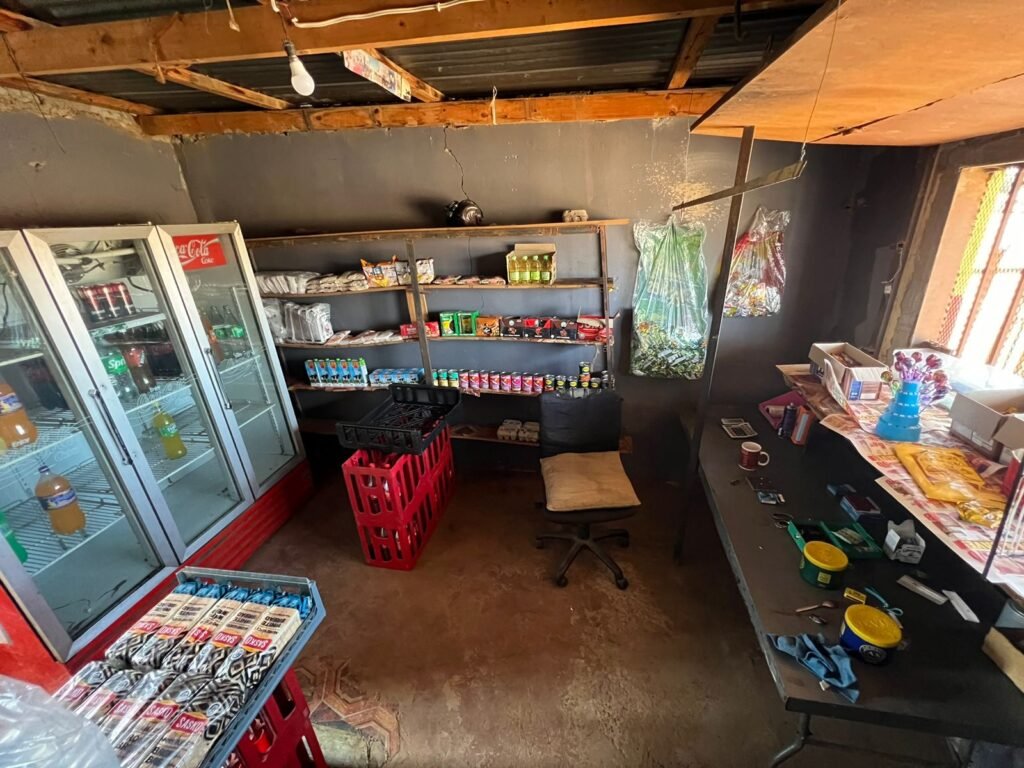
Conditions Before
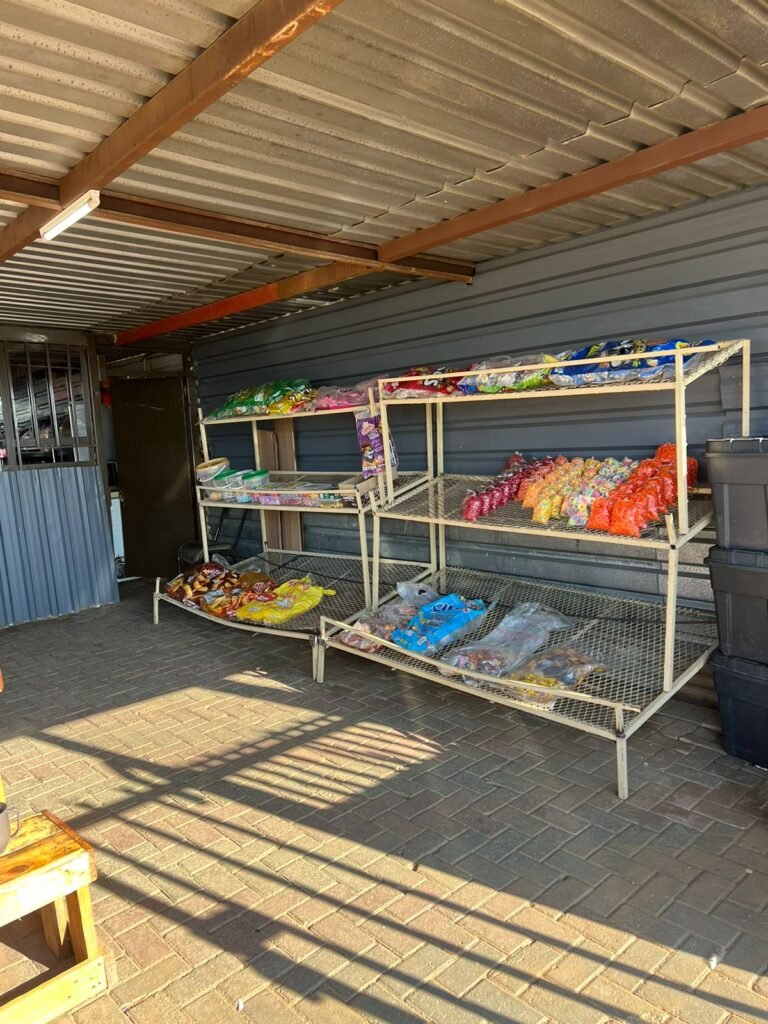
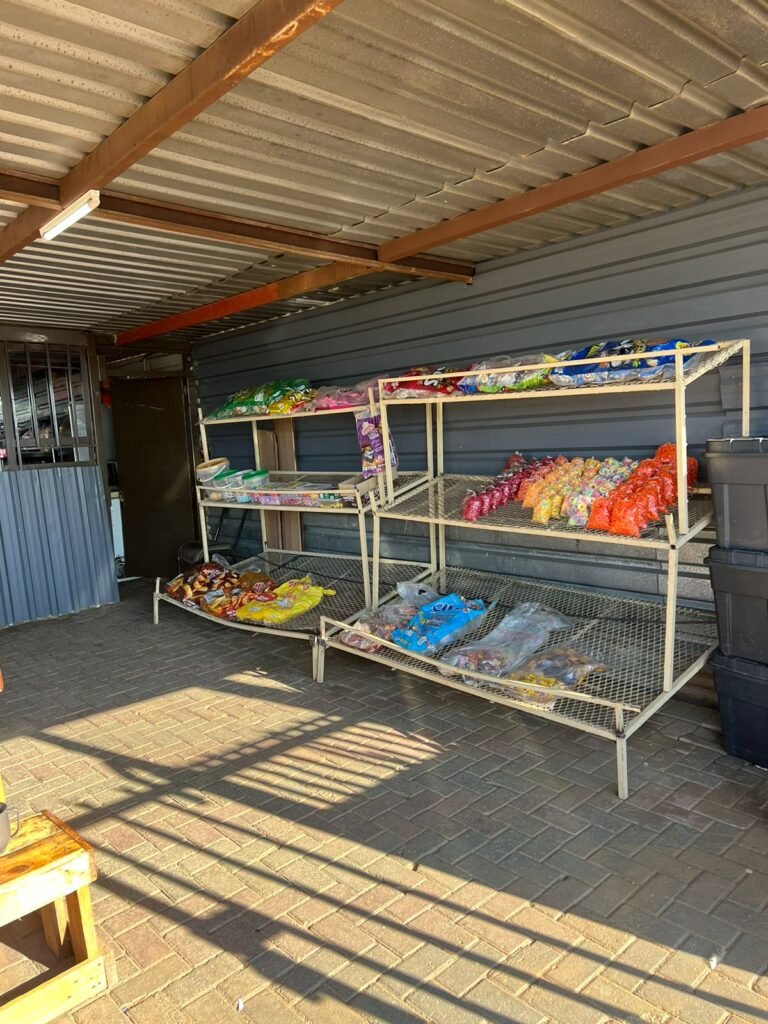
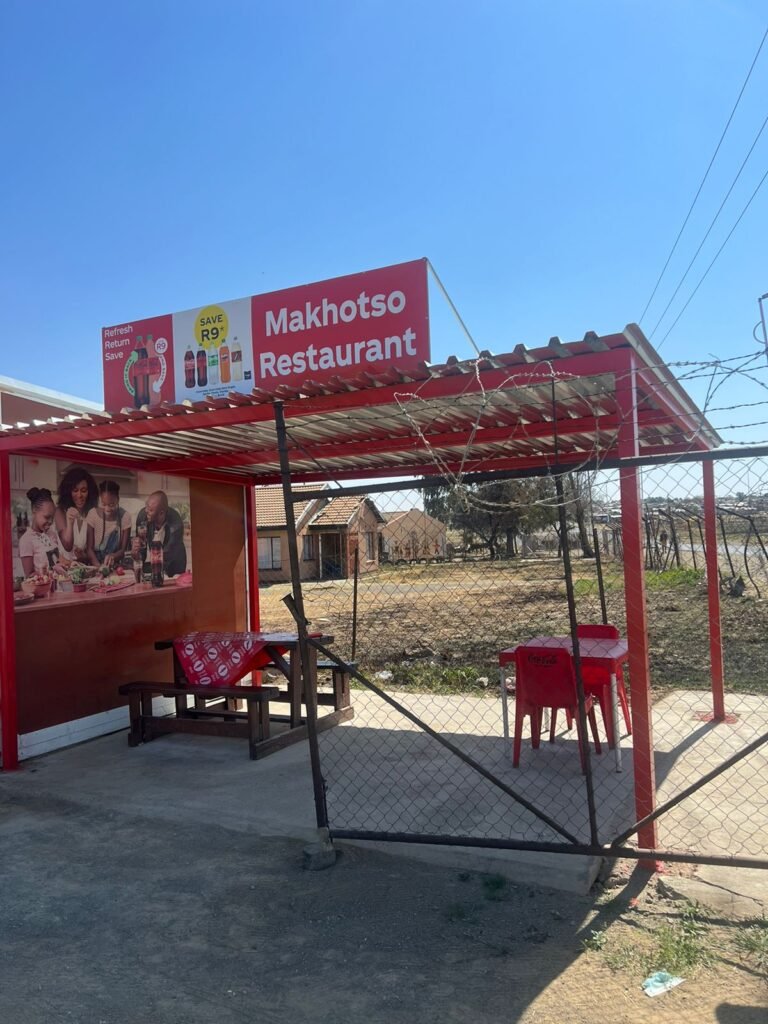
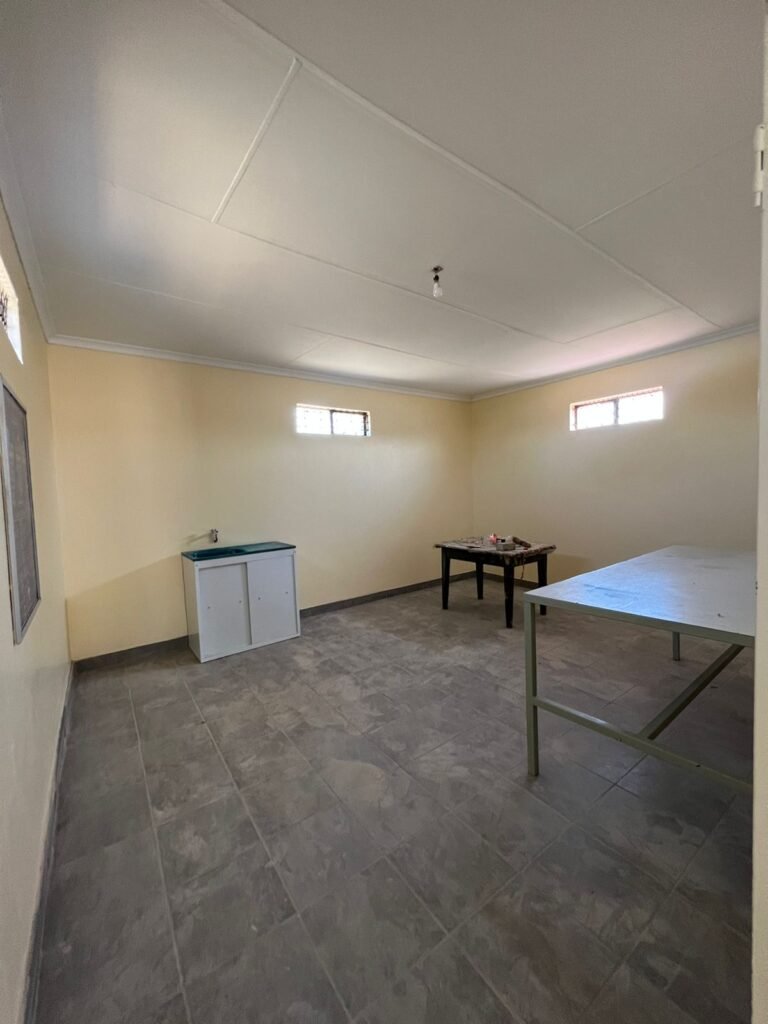
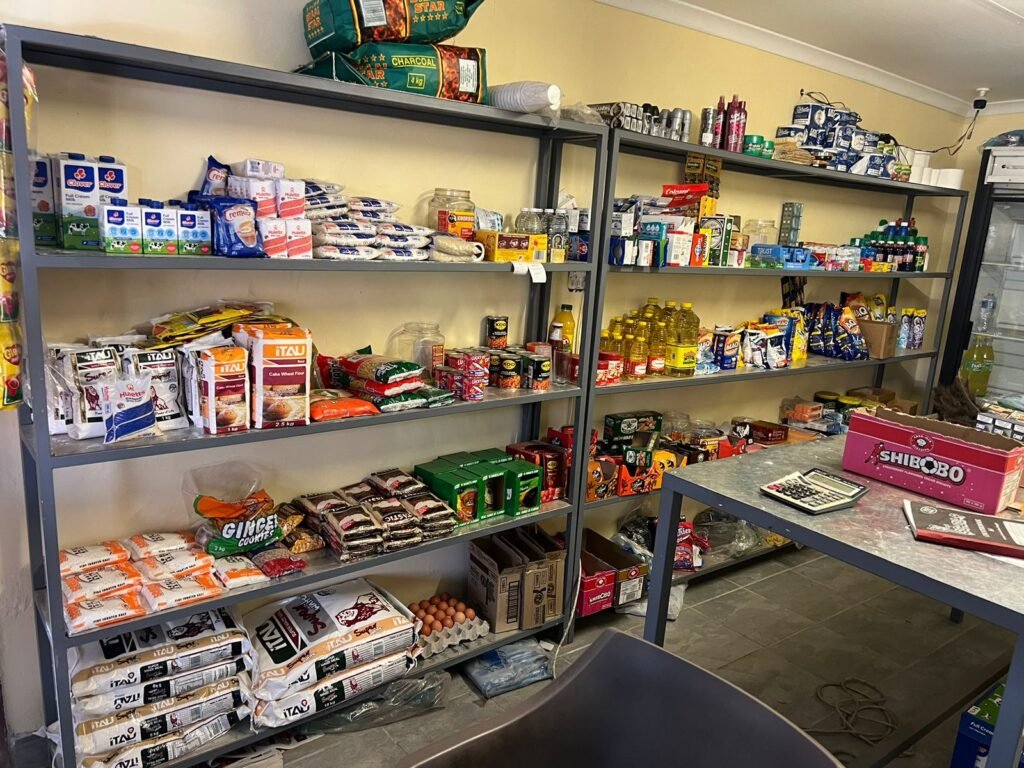
Conditions Afterwards

Businesses That Benefited from These Upgrades

Our work impacted a diverse range of businesses across Bloemfontein, including:

  • Kitchen 360
  • Lucky Three Tuck-Shop
  • Kitchen Culture
  • Papzen Mini Shop
  • BBZK General Dealer
  • Onse Shop
  • Home Sweet Home
  • Bataung Tuckshop
  • Image Tuck-Shop
  • MK Spaza – Tshegofatso
  • My People’s Place
  • MK Spaza – Dieketseng
  • Four – Four
  • Reatlegile Tuckshop
  • MK Spaza – Tshepo
  • SM Tuckshop
  • MOKOENA TUCKSHOP
  • TOURISM CARWASH AND KITCHEN
  • JOZI FOODS
  • SEISO TUCKSHOP
  • STRAIGHT FOODS BAR
  • W3M3AT RESTAURANT
  • MAKSMILLAN CHESA NYAMA
  • SMALL STREET KOTA
  • ATRACTIVE FASTFOOD
  • BOODA’S CONNECTION
  • MAKHOTSO RESTAURANT
  • MOILOA’S GENERAL DEALER
  • BACKSTAGE & LEE ZONE
  • RELEBOGILE TUCKSHOP
  • THATO M FAST FOOD
  • LIGHT AND LIFE FASTFOOD
  • TLOU KHADIMA
  • KEDI’S FASTFOOD

Our Commitment to Success

🔹 Versatility & Custom Solutions – Whether a business needs a renovation, container conversion, or mobile kitchen, we tailor our solutions to fit their unique needs.

🔹 Meeting Tight Deadlines – Completing work across three phases required careful planning and efficiency. Our team ensured that projects were delivered on time without compromising on quality.

🔹 Strong Client Partnerships – We don’t just build structures—we collaborate with clients to create spaces that support their long-term business growth.

Why Work with Rakutu?

With years of experience in renovations, container solutions, and mobile kitchens, Rakutu Trading and Projects has become a trusted leader in business infrastructure development. Whether you need a shop upgrade, a mobile food unit, or a custom-built structure, we are ready to bring your vision to life.

Looking to Upgrade Your Business?

Partner with Rakutu Trading and Projects for tailor-made solutions that elevate your business. Let’s build the future together!

📞 Contact Us Today | 📩 Get a Quote

Transforming Modimolle’s Business Landscape with Safe & Modern Containers

Providing Safe and Durable Workspaces for Local Entrepreneurs

In Modimolle, six small businesses were operating from outdated and deteriorating steel structures that posed serious safety risks to the owners and their customers. At Rakutu Trading and Projects, we stepped in to provide a lasting solution—replacing these hazardous structures with 6 durable, repurposed containers, designed to enhance business operations and ensure long-term safety.

Conditions Before

Our Work in Modimolle Hotspot

6 Unsafe Steel Structures Replaced
6 High-Quality Business Containers Delivered
Improved Safety, Functionality, and Aesthetics

Conditions afterwards

Businesses That Benefited from the Upgrade

  • Diketso ‘N Mots’elisi
  • Matlou Kitchen
  • Seasea’s Restaurant
  • Tatso African Cuisine
  • Charis Catering Restaurant
  • Didintle Fast Food

Each of these businesses now operates from a secure, modern, and functional space that allows them to focus on growth without worrying about structural risks.

The Impact

By replacing hazardous structures with state-of-the-art container solutions, we’ve created safer, more efficient, and visually appealing workspaces for Modimolle’s entrepreneurs. This transformation not only benefits business owners but also enhances the local economy by attracting more customers and fostering sustainability.

Looking for a Business Space Upgrade?

At Rakutu Trading and Projects, we specialize in container solutions, infrastructure upgrades, and mobile kitchens tailored to your business needs. If your business needs a safer and more efficient space, let’s work together to build it!

From Humble Beginnings to Hip Homes: The History of Container Architecture (South African Edition)

Shipping containers – those ubiquitous steel boxes crisscrossing the globe – are no strangers to anyone. But did you know these industrial workhorses are now finding a whole new life as trendy and sustainable living spaces? The concept of container architecture, though seemingly recent, boasts a surprisingly rich history, evolving from a practical solution to a full-fledged architectural movement.

Early Traces: Functionality Takes Center Stage

The seeds of container architecture were sown in the mid-20th century. The 1950s saw a surge in international trade, leading to a surplus of empty shipping containers piling up in ports around the world, including South Africa (Source: World Shipping Council). This sparked creative minds to explore ways to repurpose these sturdy steel structures.

One of the earliest documented examples dates back to 1938, when Hugh Newell Jacobsen, an American architect, designed a house incorporating used shipping containers (Source: Dwell Magazine – A Brief History of Container Homes: ). However, the concept gained wider recognition in the 1960s with the rise of modular architecture – a movement emphasizing prefabricated, standardized building components. Shipping containers, with their inherent strength and uniformity, fit perfectly into this philosophy.

Pioneering Projects & Military Applications

The 1970s witnessed the first significant applications of container architecture. In the United States, a company called Modular Housing Systems (MHS) began constructing prefabricated housing units using shipping containers. These units were primarily used for temporary housing and disaster relief, showcasing the practicality and adaptability of containers (Source: ArchDaily – A Brief History of Container Architecture: [invalid URL removed]).

Around the same time, the US military also began exploring the use of shipping containers for building barracks and other temporary structures. The containers’ durability, portability, and ability to withstand harsh weather conditions made them ideal for military applications. This trend soon reached South Africa, with similar applications being explored for temporary housing solutions (Source: South African History Archive – The History of Military Architecture in South Africa: [invalid URL removed]).

A Spark of Creativity: The 80s and 90s

The 1980s and 1990s saw a shift in the perception of container architecture globally, and South Africa was no exception. From purely functional applications, the focus started to move towards creative design possibilities. Architects began exploring ways to transform these industrial boxes into aesthetically pleasing and comfortable living spaces in South Africa.

A pivotal moment came in 1987 when Phillip C. Clark filed a patent for a method of converting shipping containers into homes. This patent marked a significant step towards the mainstream adoption of container architecture for residential purposes around the world (Source: US Patent and Trademark Office – Patent for Shipping Container Home: [invalid URL removed]).

Another key figure emerged in the 1990s with architect Hugh Newell Jacobsen revisiting his original concept. He designed and built a stunning two-story container home in New Jersey, further demonstrating the potential for stylish and sustainable living with repurposed containers. This innovation undoubtedly inspired South African architects and homeowners to explore the possibilities of container homes.

The 21st Century: Container Architecture Goes Global


The 21st century has seen the explosion of container architecture on a global scale, and South Africa has become a key player in this movement. Factors like growing environmental concerns, the rising cost of traditional housing, and the increasing popularity of minimalist living have all contributed to this surge.

South African architects are pushing the boundaries of design with container homes boasting multiple stories, luxurious interiors, and eco-friendly features. Shipping containers are no longer just for temporary structures or utilitarian spaces in South Africa – they are being used to create dream homes, offices, restaurants, and even retail stores.

South Africa Joins the Movement (and Thrives)

South Africa is embracing the container architecture movement with a unique flair. Local architects and companies are utilizing repurposed containers to create innovative and sustainable living spaces that cater to the specific needs and aesthetics of the South African market. These container homes offer affordability, durability, and a unique aesthetic, making them a compelling option for a growing segment of the South African population.

Looking Forward: A Sustainable Future for Living in South Africa

With its focus on repurposing readily available materials and minimizing environmental impact, container architecture offers a promising path towards a more

Things to Consider if You Want to Invest in Container Technology as Remote Offices on Your Next Construction Project

In recent years, container technology has emerged as a versatile and innovative solution for remote offices in construction projects. Offering portability, cost-effectiveness, and sustainability, containers are revolutionizing the way we think about workspace design. If you’re considering investing in container technology for remote offices on your next construction project, here are some key factors to keep in mind:

  1. Space and Layout Planning: Before diving into container technology, carefully assess your space requirements and layout preferences. Consider factors such as the number of employees, workspace functionality, and potential expansion needs. With modular container designs, you have the flexibility to customize layouts to suit your specific project requirements.
  2. Location and Accessibility: Evaluate the site conditions and accessibility factors when planning for container offices. Determine the optimal placement of containers to maximize natural light, minimize noise pollution, and ensure ease of access for employees and visitors. Additionally, consider the infrastructure requirements, such as power supply, water access, and waste disposal, to support the container offices effectively.
  3. Climate Considerations: Take into account the climate and weather conditions of the construction site when selecting container technology for remote offices. Ensure that the containers are properly insulated, ventilated, and climate-controlled to provide a comfortable working environment year-round. Implementing energy-efficient features and sustainable building practices can further enhance the environmental performance of container offices.
  4. Regulatory Compliance and Permits: Familiarize yourself with local building codes, regulations, and permit requirements governing the use of container technology for commercial purposes. Work closely with regulatory authorities to obtain the necessary permits and approvals for installing container offices on your construction site. Address any potential zoning restrictions or land use regulations to ensure compliance with legal requirements.
  5. Cost Analysis and Budgeting: Conduct a thorough cost analysis and budgeting exercise to assess the financial implications of investing in container technology for remote offices. Compare the upfront costs of container procurement, customization, and installation with the long-term savings and benefits associated with reduced construction time, lower operational expenses, and potential resale value. Explore financing options and incentives available for sustainable building projects to optimize your investment.
  6. Security and Safety Measures: Prioritize security and safety considerations when implementing container offices on your construction site. Install robust locking mechanisms, security systems, and surveillance cameras to safeguard valuable assets and sensitive information housed within the containers. Implement fire safety measures, emergency exits, and first-aid provisions to ensure the well-being of employees and visitors in case of emergencies.
  7. Scalability and Future Flexibility: Plan for scalability and future flexibility when designing container offices for your construction project. Anticipate future growth, changes in workforce dynamics, and evolving business needs by incorporating modular and adaptable features into the container design. Explore options for container stacking, expansion modules, and reconfiguration to accommodate future expansions or relocations seamlessly.

Investing in container technology for remote offices offers a myriad of benefits, from enhanced mobility and sustainability to streamlined construction processes and cost savings. By considering these key factors and best practices, you can harness the full potential of container technology to create efficient, functional, and dynamic workspaces for your next construction project. Join the container revolution and unlock new possibilities in remote office design and construction!